

How precast concrete gets specified
Precast concrete gets specified in six steps. The owner sets the brief, the architect forms a concept, the engineer selects a structural system, the spec writer drafts the section, general contractors bid the job, and the owner awards it. A precast manufacturer can be dropped at any of the six without hearing about it.
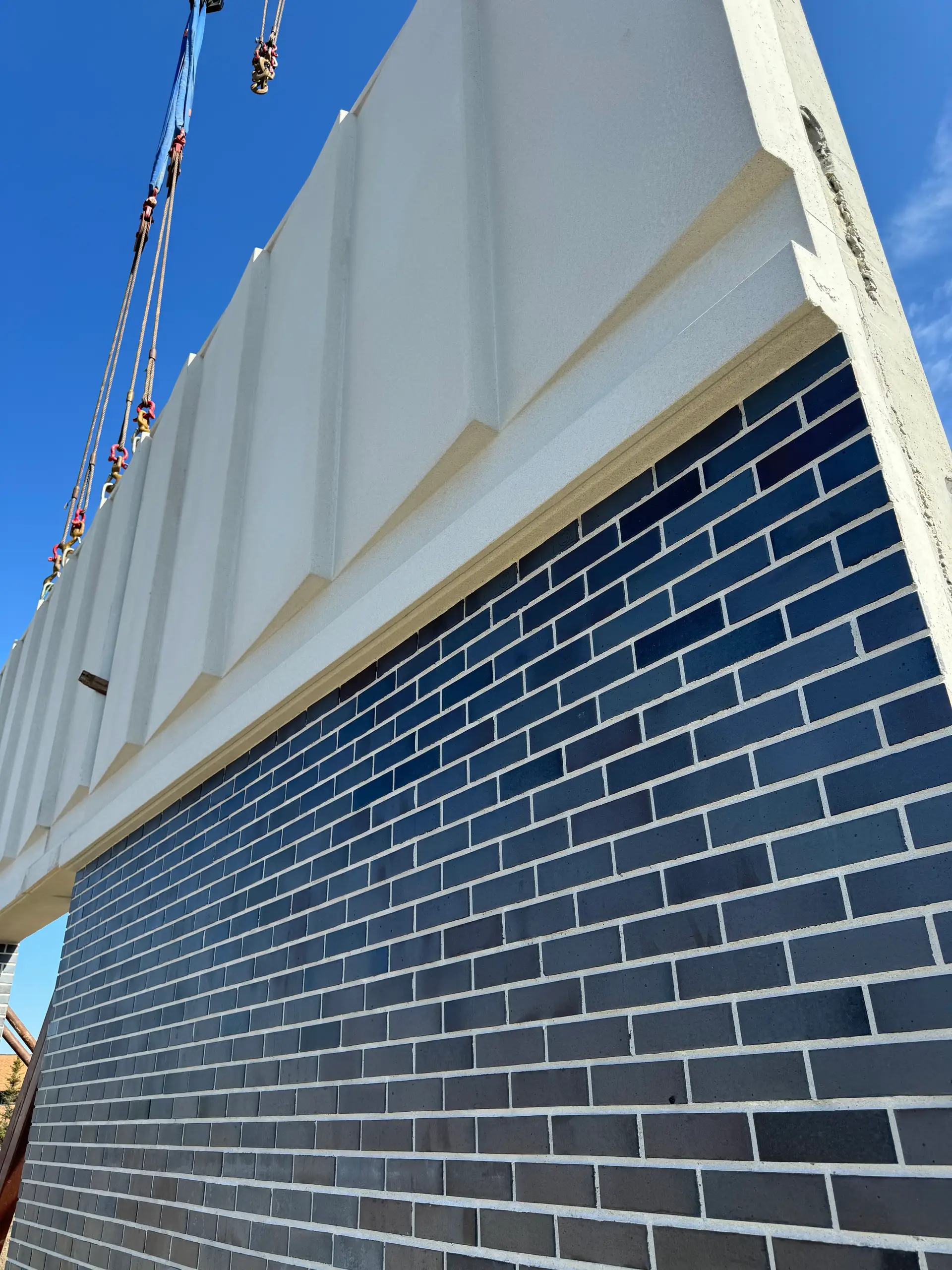
Why it matters
A manufacturer is rarely told when it has been dropped
An architect who cannot find span tables on a website moves to the next name on the list. A design team that sees an out-of-date finishes page orders samples from a competitor. Neither one calls to explain. The manufacturer sees only the work that reaches the estimating desk, so estimating looks like the place where jobs are won and lost.
Estimating is the fifth step of six. By the time drawings go out to bid, the design team has already decided whether the building uses precast, which system and finishes it uses, and often which manufacturers are acceptable. Each of those decisions followed a few minutes of research by someone on the team. A manufacturer who did not turn up in those few minutes was out before any conversation took place.
Two plants with similar quality and similar pricing can carry very different backlogs for this reason. One of them shows up at all six steps, and the other is missing from the early ones.
Marketing for a precast manufacturer, often called a producer in the trade, covers four jobs. The company has to be found while the concept forms. It has to give specifiers the data they need. It has to get named or listed in the spec, and it has to support the estimator when the number goes in.
The six steps
The six steps to a precast specification
The steps run in order. Each one below names who makes the decision and what a manufacturer needs in place to stay in consideration.
-
Owner brief
The owner sets the budget and the schedule, states how long the building has to last, and often leans on what worked on the last project. A manufacturer cannot pitch at this step. It helps when the owner's representative has seen the company's built work and when its name comes up as the team lists regional options. A record of delivering on schedule counts here too. If nobody in the room knows the company, the next five steps start without it.
-
Architect concept
The architect starts shaping the building and searches for materials and finishes. Being found matters most at this step. The manufacturer needs a website that appears in those searches and a finishes page with photographs of installed work. It also needs physical samples it can ship within days. An architect who cannot see a manufacturer's finishes designs around a competitor's, and the spec follows the design.
-
Engineer system selection
The structural engineer checks whether precast carries the loads and spans the bays. Publish span tables, load tables and typical details that an engineer can use without calling. Where connection design is delegated, have your specialty engineer ready. Put a person on staff who returns technical calls the same day. Engineers tend to choose systems they can verify quickly, so make the verification easy.
-
The spec section
The spec writer drafts section 03 41 00 for structural precast or 03 45 00 for architectural precast. The section names acceptable manufacturers or a basis of design and sets certification requirements. A manufacturer needs to be on that list or to meet the certifications it cites, with plant certification current and the paperwork ready to send. A manufacturer named in the spec starts the bid phase ahead. One that is absent needs an approved substitution to compete.
-
General contractor bid
General contractors price the job and send the precast scope to the manufacturers they expect to respond. This step takes an estimating group that returns complete, clearly scoped quotes on time. It also takes standing relationships with the general contractors who build in the region. A late or vague quote gets set aside, and the contractor carries another manufacturer's number. Manufacturers watch this step closely, and the four before it decide who gets invited to it.
-
Award and buyout
The owner awards the job and the general contractor buys out the precast package. Value engineering and substitution requests appear at this point. Defend your number with facts and turn submittals and shop drawings quickly. Deliver mockups and samples on the dates you gave. A manufacturer who goes quiet after bid day is easy to swap out, and one who keeps the design team supplied is costly to replace.
Priorities
What to fix first
Work on these four in order. The photography comes first because the other three depend on it.
Photograph your finished work. Photographs of installed projects are the strongest signal a specifier gets from a manufacturer's website, and words cannot stand in for them. Hire a photographer and shoot your best projects in good light. Use the images on the website and in every sample box and sales presentation.
Rebuild the finishes page and the capabilities page, the two a specifier checks first. List each finish you produce with a photograph of it installed at building scale. State panel sizes, spans, colors and textures in plain terms. These pages are reference material for a person deciding whether to keep you on a shortlist, so write them that way.
Make sure a person answers. A specifier with a question on a Tuesday afternoon needs a phone number that reaches someone and a same-day email reply from a technical person.
Start a short email to the architects and engineers in your region that shows new work and new finishes. It keeps the company familiar to the people who shape the next owner's brief.
Questions and answers
Questions precast manufacturers ask
What does it mean for precast to be specified?
Precast is specified when the project's construction documents require it as the system. The requirement usually sits in spec section 03 41 00 for structural precast or 03 45 00 for architectural precast. The section may list acceptable manufacturers or name one as the basis of design. It can also set certification requirements that only some plants meet. General contractors bidding the job have to price precast, and the manufacturers who fit the spec are asked to quote.
How do architects find precast manufacturers?
Early in design, architects search the web, recall a finish from another building, call a rep they know, or ask a colleague. The search leads to the manufacturer's website, where they judge the photography and the finish options. If the photographs are thin or the finishes page is vague, they move to the next manufacturer without saying so. Architects order samples from the manufacturers whose built work they were able to see.
What should a precast manufacturer put on its website?
A precast manufacturer's website needs four things, in this order. Professional photographs of finished, installed work come first. Next is a finishes and capabilities page specific enough that a specifier can shortlist the company from it. Third are the span tables, load tables, typical details and product data a designer can download without asking. Fourth is a phone number that reaches a person.
What does precast marketing cost?
Old Plank Group marketing retainers start at $8,500 a month, with no hourly billing. The scope depends on what needs work. A manufacturer who needs photography and a rebuilt finishes page has a smaller scope than one who needs all six steps covered, from being found by architects through support at bid time. The pricing page lists the retainer levels.
Old Plank Group runs marketing for precast manufacturers.
You can work through the six steps with your own staff using this guide. If you want the website and the photography handled for you, send us a note. We answer within one business day.